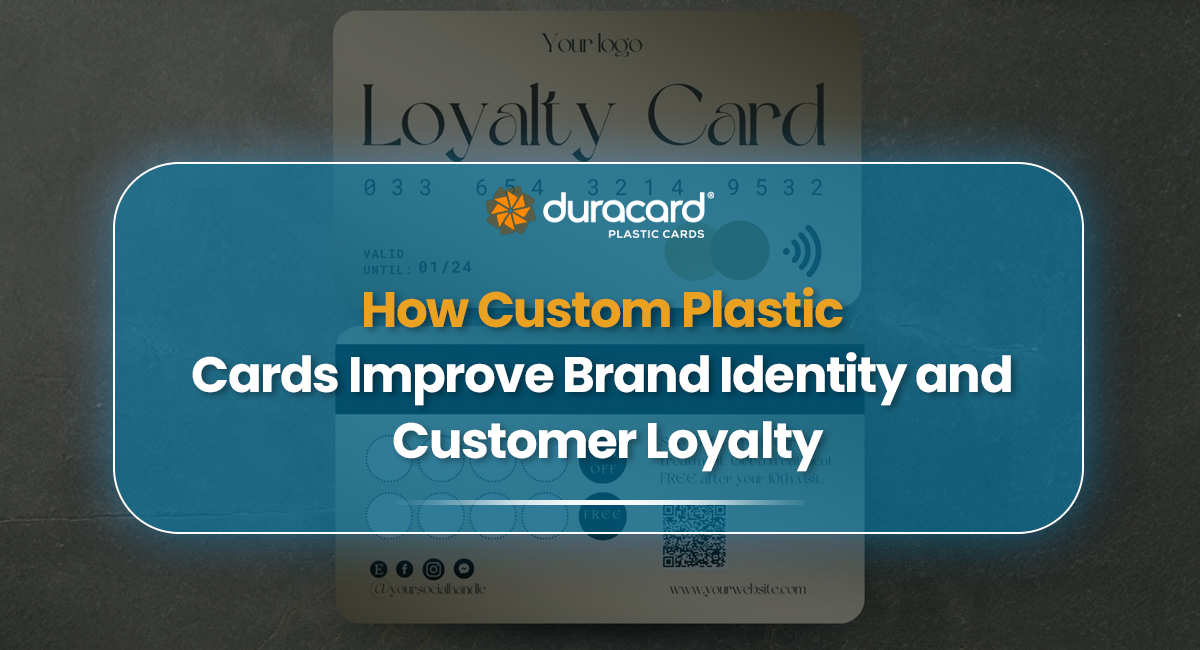
How Custom Plastic Cards Improve Brand Identity and Customer Loyalty?
Every business wants customers to remember them, but competing for attention gets harder every year. One tool many overlook is the simple card sitting in a customer’s wallet. Plastic cards stay in wallets and show up repeatedly whenever customers pay or access a service. Unlike emails that get deleted or ads that get scrolled past, a well-designed loyalty or membership card maintains physical presence in someone’s life. These cards reinforce brand identity, and when they’re part of a well-built program, they give customers clear reasons to return.
Get your brand into every customer’s wallet with cards designed to impress. We provide premium plastic card printing and quality materials that turn one-time buyers into lifelong customers.
Get To Know More – (800) 318-3500
Why Physical Plastic Cards Still Matter in a Digital World
Mobile apps and digital wallets get plenty of attention. Yet physical cards continue delivering results that screen-based alternatives struggle to match.
A Tangible Reminder of Your Brand
A plastic card works like a small, visual reminder of your brand. Whenever customers open their wallets, your logo and colors sit among items they use every day. This repeated exposure builds familiarity without requiring any action from the customer.
Physical cards create impressions that digital options don’t always match:
- Visibility alongside customers’ daily payment methods
- Tactile experience that reinforces sensory brand associations
- They create a small sense of ownership that digital notifications don’t always deliver
- No reliance on batteries or connectivity
- Accessible to customers of varying tech comfort levels
Because cards stay in customers’ wallets, they reinforce brand recognition over time.
Simple, Familiar, and Easy to Use
Loyalty cards require zero learning curve. Customers understand how to present a card at checkout without any explanation. Staff hands over the card, explains the benefit in one sentence, and participation begins immediately.
This simplicity leads to higher enrollment and more consistent use. No downloads, accounts, passwords, or updates. Customers just present the card and start earning, and people of all ages and comfort levels can participate easily.
How Custom Plastic Cards Strengthen Brand Identity
These cards turn routine transactions into subtle brand-building moments. Strategic design decisions communicate positioning, values, and professionalism without saying a word.
Consistent Visual Identity in Customers’ Wallets
Card design should mirror existing brand standards exactly. When customers see the same logo, colors, and typography on cards that they see on websites, packaging, and store signage, the cumulative effect builds powerful recognition.
Elements requiring consistency:
- Logo size, placement, and clear space matching other materials
- Exact brand color matches using Pantone specifications
- Typography consistent with the website and signage
- Image style and quality standards across all touchpoints
Inconsistent design fragments brand identity. Consistent design multiplies brand impact exponentially.
Premium Materials Signal Premium Brands
Card weight, texture, and finish communicate quality before customers read a single word. A flimsy card with dull printing suggests a brand that cuts corners. A substantial card with rich colors and tactile interest suggests a brand worth paying attention to.
Storytelling Through Card Design
Cards offer limited space, but thoughtful designers pack meaning into every element. Local businesses incorporate neighborhood imagery. Eco-conscious brands feature sustainability messaging and recycled materials. Luxury brands leverage metallic accents and minimalist elegance.
Customers notice distinctive designs and sometimes show interesting cards to friends, creating organic word-of-mouth exposure.
How Custom Plastic Cards Drive Customer Loyalty and Retention
Beautiful cards attract attention, but smart loyalty mechanics drive business results. Cards become powerful retention tools when connected to programs that reward customer behavior.
Encouraging Repeat Visits and Higher Spend
Points, stamps, and tier systems tap into fundamental human motivations. Most customers enjoy tracking progress toward simple goals. They feel satisfaction when redeeming earned rewards. These psychological triggers encourage returning more often and spending more per visit.
Effective reward structures share common characteristics:
- Clear earning rules that customers can calculate easily
- Achievable milestones that feel within reach
- Desirable rewards customers actually want
- Visible progress tracking that maintains motivation
- Surprise bonuses that create delight and sharing
Loyalty program members can spend more per transaction and visit more often than non-members, depending on how the program is designed. For engaged customers, the card can serve as a tangible reminder of accumulated rewards, encouraging return visits.
Building Emotional Connection and Belonging
Transactional loyalty matters less than emotional loyalty. Customers who feel genuinely valued become brand advocates who recommend the business and forgive occasional mistakes.
Loyalty cards help build these emotional connections by making customers feel personally recognized. Printed names add a personal touch, tier labels create a sense of achievement, and VIP markers show top customers they matter. These features foster belonging and transform casual buyers into loyal community members.
Creating Exclusivity and Status
Tiered card programs create aspirational goals that motivate increased engagement. Customers seeing “Gold” or “Platinum” status printed on their cards feel genuine pride. They have earned something others have not.
Status-driven loyalty mechanics:
- Tier levels (Silver, Gold, Platinum, VIP) visible on card faces
- Exclusive designs reserved for top-tier members only
- Limited editions create urgency and collector mentality
These status signals motivate customers to maintain or increase spending to protect their tier positions.
Types of Custom Plastic Cards That Boost Brand and Loyalty
Different card formats serve distinct objectives. Selecting the right type depends on business model, customer relationships, and program goals.
Loyalty and Rewards Cards
These cards track customer activity and unlock earned benefits over time. Points-per-dollar systems, visit stamps, and spending thresholds all work effectively depending on the business model.
Ideal applications include:
- Retail stores offering points per purchase
- Restaurants and cafés tracking visits toward free items
- Salons and spas reward repeat appointments
- Service businesses encourage ongoing relationships
- Local shops are building neighborhood customer bases
Simple stamp-based cards work beautifully for businesses wanting straightforward programs. Customers understand “buy ten, get one free” instantly.
Membership and Access Cards
Membership cards identify belonging and control facility entry. Gyms, clubs, coworking spaces, museums, and professional organizations use these cards to reinforce community identity.
These cards signal commitment and grant exclusive privileges:
- Facility access and entry verification
- Member-only pricing and benefits
- Event admission and reservations
- Professional credentials and affiliations
The physical card becomes a small symbol of belonging to something non-members don’t have access to.
Gift and VIP Cards
Stored-value gift cards introduce new customers through recipient purchases. Recipients who redeem gifts often become regular customers themselves. Gift cards also reduce abandoned purchases when customers cannot decide what to buy for others.
VIP cards recognize the highest-value customers with exclusive benefits. Top spenders, frequent visitors, and influential community members receive perks unavailable to regular customers. These cards often feature premium materials and distinctive designs that visually differentiate elite members.
Key Design and Technology Features to Consider
Modern printing plastic cards offers extensive customization options. Strategic choices impact both brand impression and practical functionality.
Branding, Layout, and Finishes
Clear visual hierarchy ensures customers understand the card’s purpose immediately.
Design priorities include:
- Logo placement is prominently visible at first glance
- The program name and primary benefit are clearly stated
- Member identification or numbering, where appropriate
- Contact information for customer support
- Clean layout, avoiding a cluttered appearance
Finish selection should match brand personality while ensuring durability and readability over extended use.
Functional Elements for Business Integration
Physical cards can include features enabling integration with business systems:
- Barcodes for scanning at point-of-sale systems
- QR codes linking to promotions or information
- Magnetic stripes for traditional swipe readers
- numbering for manual tracking systems
- Sequential numbering for inventory and account management
These features allow businesses to connect physical cards with their existing checkout and tracking processes.
Durability and Practical Considerations
Cards must survive daily wallet life for months or years. Material choices affect longevity and brand perception significantly.
Practical features like rounded corners, scratch-resistant surfaces, and standard credit-card sizing ensure cards remain presentable through extended daily use. Cards that look worn and damaged after weeks reflect poorly on brands.
Best Practices for Using Custom Plastic Cards in Your Loyalty Strategy
Program design determines whether cards drive results or collect dust. Following proven practices maximizes return on card investments.
Keep the Program Simple and Easy to Explain
Complex programs confuse customers and frustrate staff, so simplicity should be the guiding principle of any loyalty program. The rules should be straightforward enough to explain in a single sentence, and the process of earning and redeeming rewards should feel intuitive. By minimizing exceptions and restrictions, businesses can create a seamless experience that customers understand, and staff can confidently communicate.
Simplicity guidelines:
- One clear earning mechanism that customers understand instantly
- Straightforward redemption without complicated restrictions
- Minimal exclusions or blackout periods
- Consistent rules that never change unexpectedly
If staff can’t explain the program clearly, they won’t promote it consistently.
Make Sign-Up and Usage Frictionless
Every barrier in the enrollment process reduces customer participation, which is why simplifying the sign-up experience is essential. Offering instant card issuance at the point of sale eliminates delays and encourages immediate sign-ups, while keeping information requirements minimal removes common obstacles that might deter customers.
Once enrolled, consistent staff prompts ensure that cardholders are reminded to present their cards on every visit, reinforcing the habit and maximizing program engagement.
Enrollment best practices:
- Issue cards immediately during the first purchase
- Require only essential information to join
- Train staff to invite every customer personally
- Display signage reminding members to present cards
- Thank customers for participating each time
Promote and Continuously Improve
Cards don’t promote themselves, so active marketing is key to enrollment and ongoing engagement.
Effective promotion channels:
- Point-of-sale signage visible during checkout
- Staff scripts making personal invitations
- Packaging inserts explaining program benefits
- Social media posts highlighting member perks
- In-store displays showcasing the card design
Track participation rates and gather customer feedback. Adjust rewards based on what actually motivates your specific customer base.
Measuring the Impact on Brand Identity and Loyalty
Quantified results justify program investment and guide future decisions.
Brand Recognition and Perception
Customer surveys reveal how cards affect brand perception. Ask customers how they describe your brand before and after receiving cards. Track whether they mention professionalism, quality, or exclusivity more frequently.
Watch for indicators like:
- Increased word-of-mouth recommendations
- Customers showing cards to friends
- Social media posts featuring card designs
- Improved customer satisfaction scores
Loyalty and Revenue Indicators
Financial metrics confirm program effectiveness:
- Repeat purchase rates for cardholders versus non-cardholders
- Average transaction values among program members
- Visit frequency changes after enrollment
- Customer retention rates over time
- Referral rates from satisfied members
Strong programs often show early movement in these indicators within the first few months. When the data shows measurable gains in loyalty and visits, the program usually justifies continued investment.
Bottom Line
Custom plastic cards connect branding and loyalty in ways that digital alternatives cannot. Their physical presence in wallets delivers repeated brand impressions throughout the day, while premium design conveys quality and professionalism. Thoughtfully structured rewards encourage repeat visits and higher spending, and tiered programs foster emotional connections that turn customers into loyal advocates.
DuraCard offers high-quality plastic card printing to help businesses strengthen brand recognition and drive repeat visits. From design through production, their team ensures every card leaves a lasting impression. Whether launching a new loyalty program, upgrading membership cards, or creating VIP recognition for top customers, DuraCard transforms small pieces of plastic into powerful business assets.
Request Your Free Quote Today – (800) 318-3500
FAQs
What are custom plastic cards, and how do they work in a loyalty program?
They are branded cards identifying customers as program members. Staff scans or stamps cards during purchases to track activity and unlock earned rewards.
How do loyalty cards improve customer retention and repeat purchases?
Cards incentivize return visits through earned rewards. Points, stamps, and tier benefits give customers reasons to choose your business over competitors consistently.
How can custom plastic cards strengthen my brand identity?
Cards display logos, colors, and messaging in wallets daily. signal quality while repeated exposure builds recognition and trust over time.
What should I include on a custom loyalty or membership card?
Include logo, program name, primary benefit statement, member identification, and contact information. Add tier indicators and functional elements like barcodes as needed.
Are plastic loyalty cards still effective compared to phone-based programs?
Yes, physical cards reach customers who dislike apps or phone-based tracking. Cards require no downloads, updates, or technical knowledge to use effectively.
What is the best way to launch a new loyalty card program?
Start simple with clear rules and easy enrollment. Train staff thoroughly, promote across all channels, measure results, and refine based on actual customer response.